

We’re building a new way to make medicines: combining our own frontier AI and rigorous science to take on disease at a profound scale.
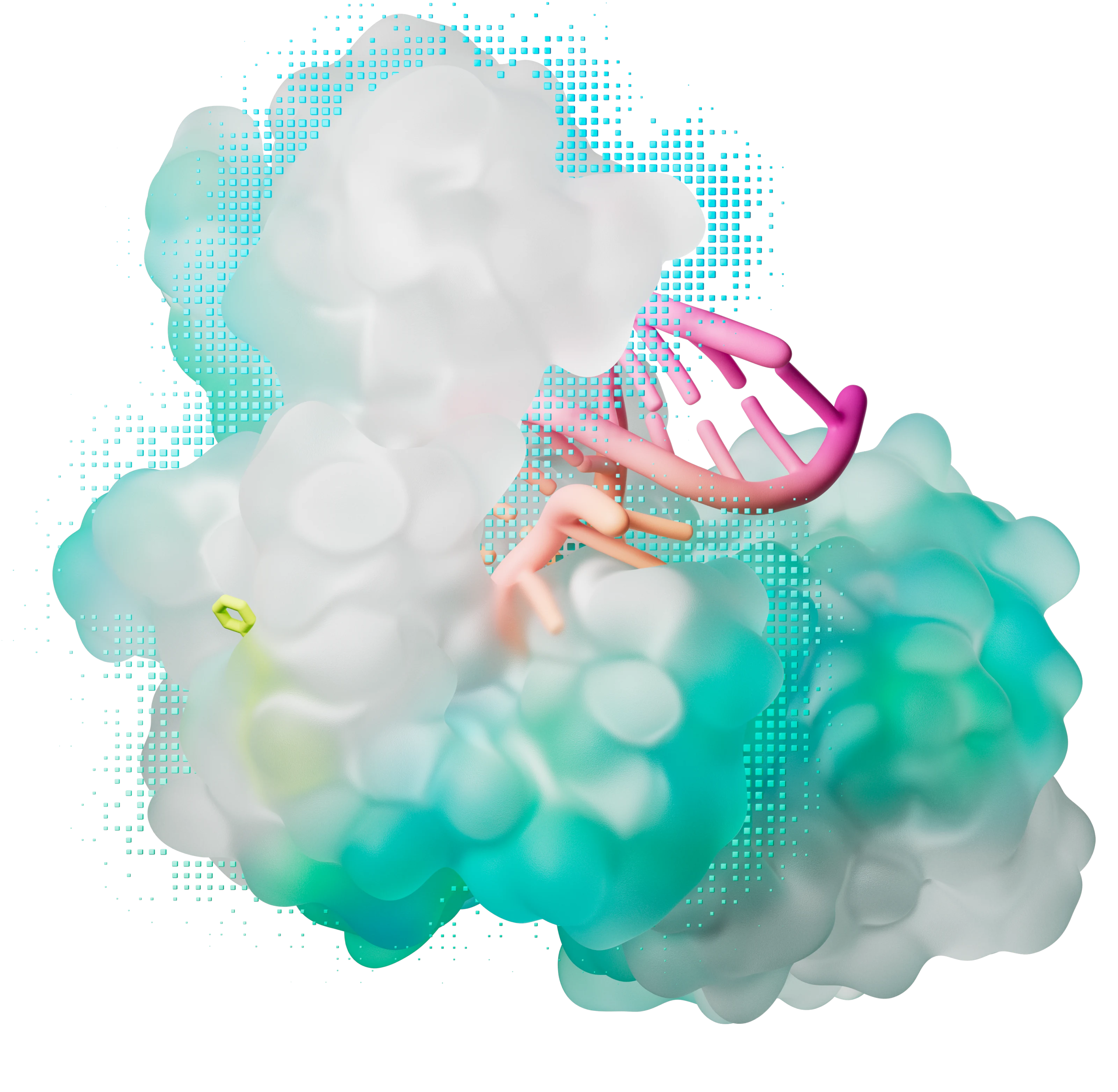
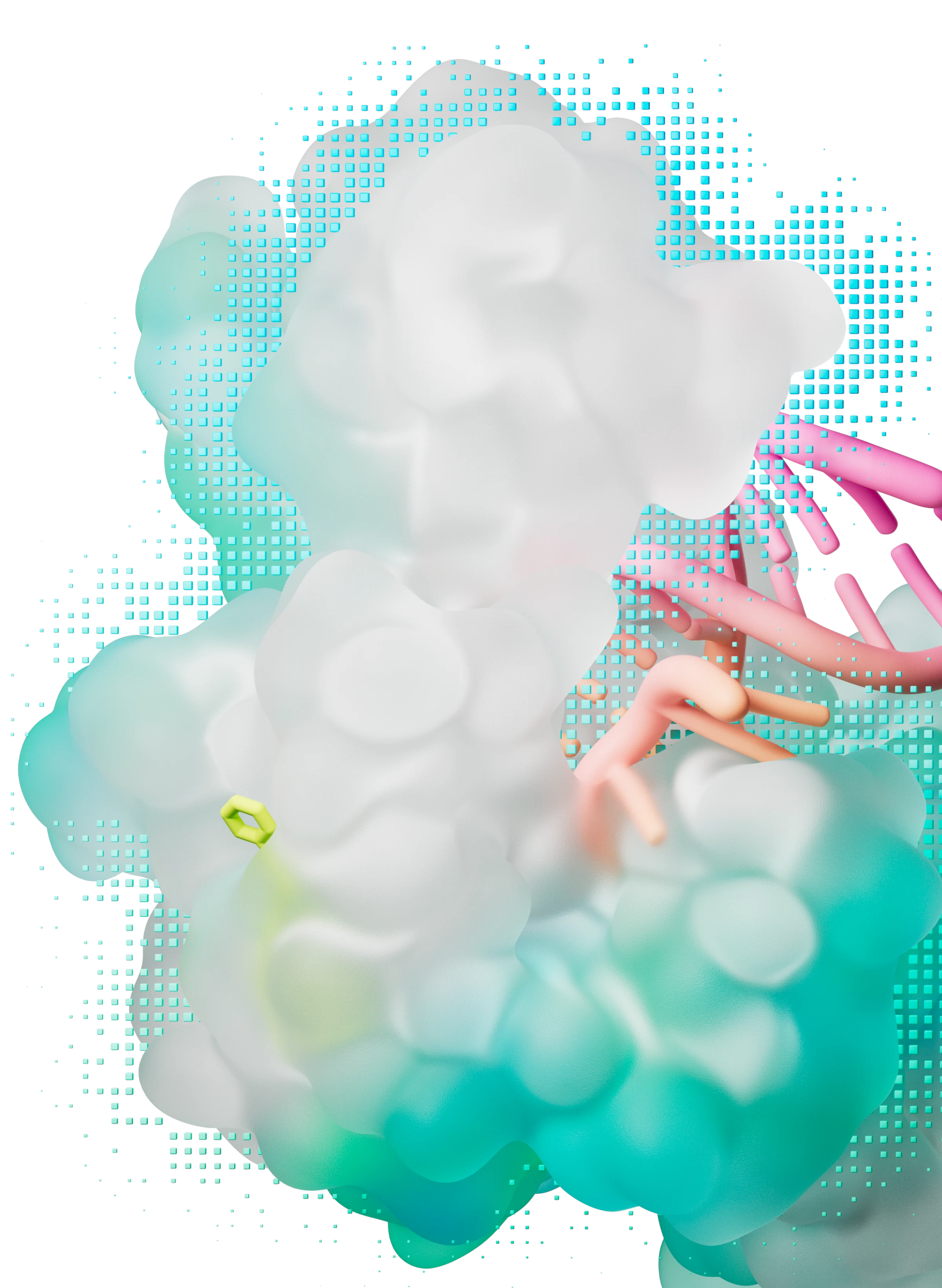
Scientists are using AI to understand biology in new ways, working through its complexity to pursue answers that have long been out of reach.
At Iso, we’re putting that understanding to work in the search for new and needed medicines.
Central to our pursuit is the Isomorphic Labs Drug Design Engine (IsoDDE). Its predictive and generative models help Iso researchers probe biology’s complexity, navigate vast chemical space and solve long-confounding problems.
Our lead internal programs are now advancing towards the clinic.
“I believe there is no more important application for AI than helping to improve human health. But success isn’t just coming up with one medicine. We’re building towards a systematic way to discover and design medicines across many different diseases, and ultimately change what it is possible to treat.”


The method behind the mission
From vaccines to antibiotics to cell and gene therapies, modern medicine has transformed human health. But living systems are immensely complex, progress is slow and, for too many patients, nothing works well enough. Yet.
At Iso, our machine learning researchers and engineers work side by side with experts in chemistry, biology, drug discovery and clinical development, using AI to explore further and learn faster.
There is a person at the other end of every problem we work on: someone waiting for a better option, another treatment or a medicine still to be designed. That person’s safety is our reason to be rigorous. Their wait is our reason to move.
Our name comes from the belief that there is an underlying symmetry in the universe – between biology and information science. That hypothesis shapes the way we work: harnessing deep tech capabilities to understand complex biological phenomena, design novel molecules and anticipate how drug candidates will perform to ultimately develop innovative medicines to treat diseases once thought beyond our reach.
When Google DeepMind researchers developed AlphaFold, they proved AI could predict the 3D structure and interactions of proteins. That breakthrough inspired Sir Demis Hassabis to found Iso in 2021.
But a structure prediction is not a medicine. A medicine has to modulate its target, avoid modulating other similar biomolecules, and, ultimately, safely change the course of a disease.
Iso builds predictive and generative AI models to answer those questions and address these challenges across modalities, and brings them together in our drug design engine.
“There’s something powerful about being an expert and a beginner at the same time: bringing mastery from your own discipline, while staying genuinely curious about someone else’s.”
“There’s something powerful about being an expert and a beginner at the same time: bringing mastery from your own discipline, while staying genuinely curious about someone else’s.”